Pakistan–SADC Summit Highlights New Opportunities for Trade and Investment Cooperation
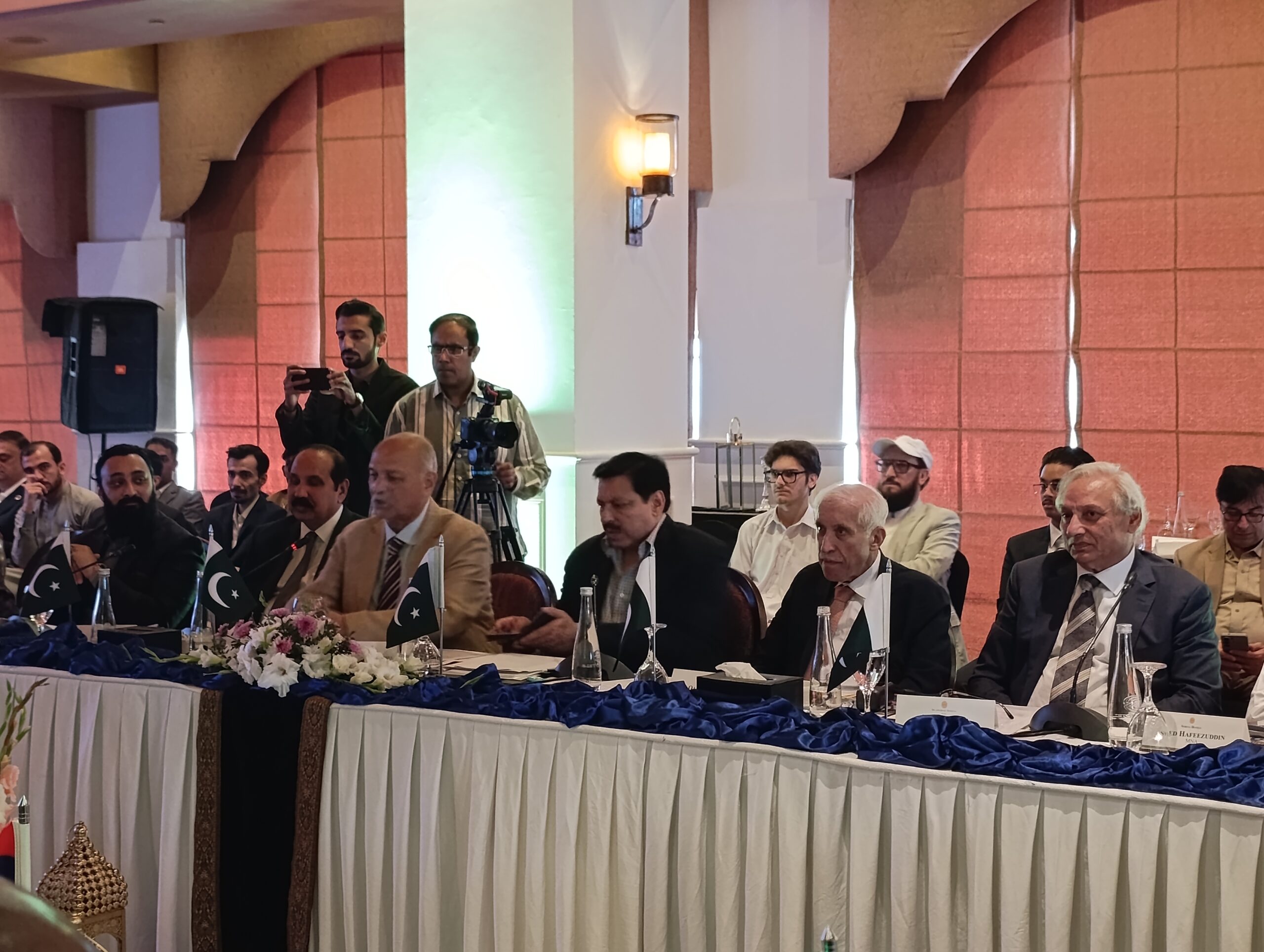
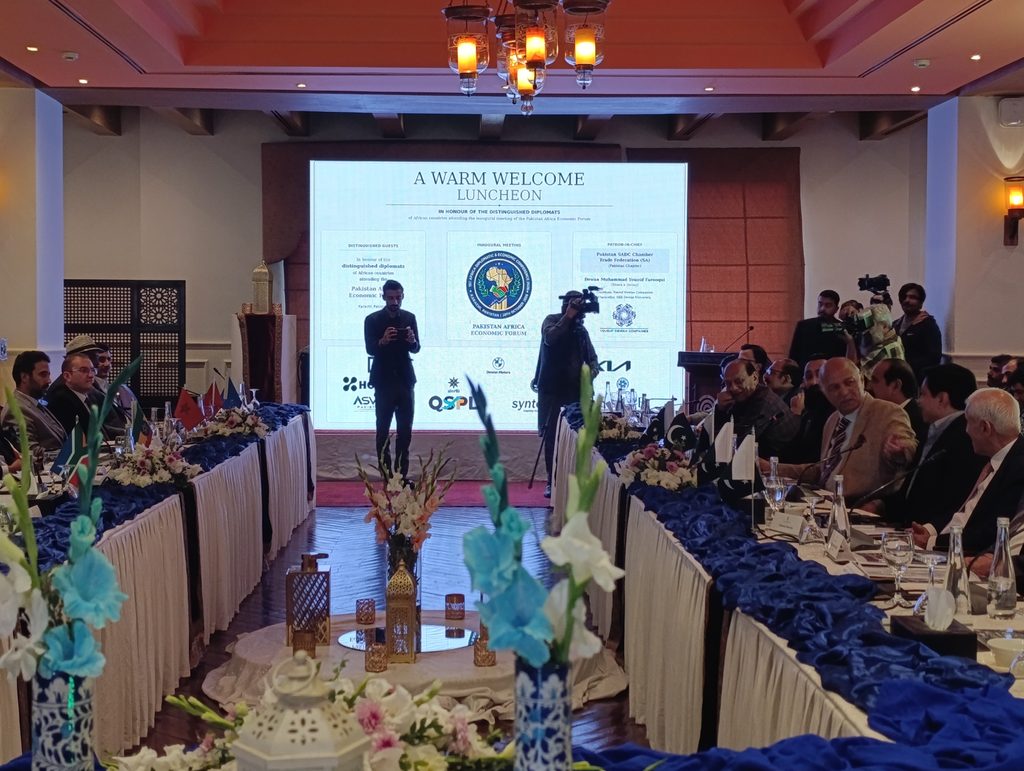
ISLAMABAD, October 28, 2026: The Pakistan–SADC summit discussion on trade and investment has highlighted opportunities to strengthen commercial ties between Pakistan and the Southern African Development Community (SADC) through improved market access, targeted buyer-supplier connections and sector-based business partnerships.Building on the objectives of the 1st Africa Diplomatic & Economic Conference 2026, organised by the Pakistan SADC Chamber Trade Federation (PSCTF), Pakistan Chapter, the initiative is associated with the Federation’s leadership, including Dewan Muhammad Yousuf Farooqui, Patron-in-Chief, and Muhammad Rafiq Memon, Chairman of PSCTF, Pakistan Chapter.According to figures attributed to the Ministry of Commerce Year Book in the summit presentation, Pakistan–Africa merchandise trade reached US$4.85 billion in FY2024–25, comprising US$2.24 billion in exports and US$2.61 billion in imports. The presentation also reported total trade of US$5.45 billion in FY2023–24.
The discussion identified potential opportunities across food and agriculture, textiles and apparel, cement and minerals, machinery, electrical equipment, pharmaceuticals, medical and surgical instruments, leather products, footwear and sports goods. South Africa, Madagascar, Tanzania and Mozambique were among the markets highlighted in the preliminary market scan, with country-level figures requiring further verification.Emphasising the two-way nature of trade, the presentation highlighted Pakistan’s imports from African markets, including coal, liquefied natural gas, phosphoric acid, natural phosphates and refined copper cathodes. These supply links offer scope for African exporters, alongside opportunities for Pakistani businesses to expand exports in food products, textiles, cement,

minerals and other priority sectors.A proposed 90-day action plan aims to translate these opportunities into practical outcomes through trade-data validation, targeted buyer and supplier lists, assessment of tariffs and market-entry requirements, and pilot business meetings for selected product-country combinations.
The discussion underscored the importance of reliable trade data and commercially viable partnerships in expanding Pakistan–Africa economic cooperation, strengthening supply chains and creating sustainable opportunities for trade and investment with SADC member countrie