
Challenges Facing Potato Cultivation and the Agricultural Economy
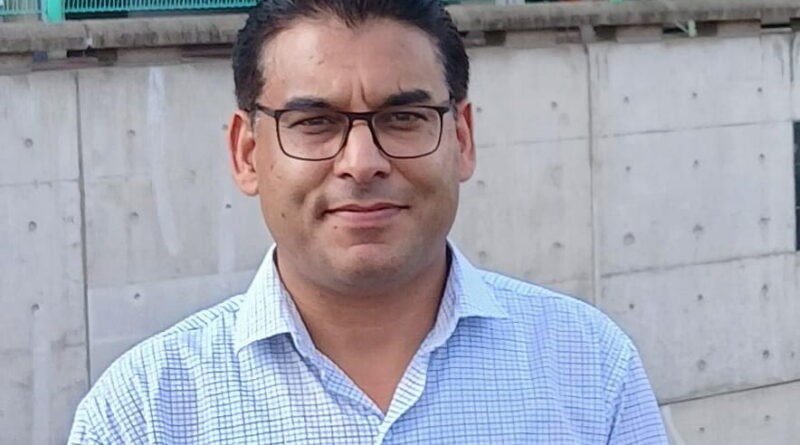
Dr. Raja Mohib Muazzam Nazmohibhortian@gmail.com
Agriculture is regarded as a fundamental pillar of Pakistan’s national economy; however, in practice, the agricultural sector—particularly farmers—is facing increasing economic pressure. Potatoes, an important food crop and a major source of income for millions of families, have currently become a symbol of severe financial distress. The losses faced by potato growers are not the result of temporary or emotional reactions; rather, they represent a serious economic issue based on clear data, production costs, and on-ground market realities.During the current season, the average direct cost of cultivating potatoes on one acre ranges between PKR 200,000 and 300,000. These expenses include quality seed, fertilizers, agrochemicals, labor, irrigation, fuel, electricity, and transportation. When these total costs are calculated on a per-kilogram basis, the production cost comes to approximately PKR 26–27 per kg. According to the principles of agricultural economics, farmers must receive a price higher than their cost of production to ensure economic sustainability. However, under the prevailing market conditions, the average market price of potatoes is around PKR 20 per kg, resulting in a direct loss of PKR 6–7 per kg for farmers.Potatoes will continue to arrive in markets until April, indicating that this loss is not temporary but extends across the entire season. Data from the past three years show that the average per-acre yield of potatoes has remained around 260 maunds. If yields remain at the same level this season and market prices do not improve, overall losses are likely to increase further. According to estimates available from the Chamber of Food and Agriculture Pakistan, total losses to potato growers could reach approximately PKR 66 billion—an exceptionally large agricultural loss associated with a single crop.These losses are not evenly distributed across the country; rather, they are concentrated in specific districts. Approximately 80 percent of Pakistan’s potato production comes from just six districts, where the economic burden is being felt most intensely. According to estimates by the Chamber of Food and Agriculture Pakistan, losses in Okara are around PKR 16.7 billion, Pakpattan PKR 12.8 billion, Sahiwal PKR 7.9 billion, Kasur PKR 7.1 billion, Vehari PKR 4.9 billion, and Khanewal approximately PKR 3.4 billion. These figures clearly reflect the severe impact on the rural economy.One of the key reasons behind this crisis is disruption in regional trade, particularly the closure of the land border with Afghanistan. In the past, a significant quantity of Pakistani potatoes was exported to Afghanistan, which helped ease domestic supply pressure and maintain price stability. Restrictions on cross-border movement disrupted this export channel, causing surplus produce to flood local markets. Increased supply combined with limited demand further depressed prices, directly reducing farmers’ incomes. This situation highlights the fact that the agricultural economy depends not only on production factors but also on trade and border policies.From a policy perspective, it is evident that the potato sector lacks an effective price-stabilization mechanism. There is no comprehensive support price framework, no timely identification of alternative export markets during trade disruptions, and insufficient availability of cold storage, food processing, and value-addition facilities. As a result, market benefits are often captured by intermediaries, while farmers are forced to bear financial losses.The current situation indicates that sustainable improvement in the potato sector requires more than just increased production. It is equally essential to link production with secure markets, fair pricing, and an effective export system. A coordinated strategy at the federal and provincial levels, private-sector participation, expansion of cold-chain infrastructure, and development of food processing can help reduce price volatility.If current trends persist, farmers may reconsider crop choices in the coming season, potentially affecting overall potato production and the supply chain. This could lead to price instability, ultimately impacting consumers. Failure to learn from the present crisis may result in long-term consequences: rising rural poverty, youth migration from agriculture to cities, and the erosion of agricultural self-sufficiency. Conversely, timely reforms, restoration of cross-border trade, guaranteed fair prices for farmers, and stronger links between research and markets can enable farmers to play a vital role in ensuring national food security and economic stability.
(Note: The author is a Scientific Officer at the National Agricultural Research Centre, Islamabad.)


Signed up for keo188bet the other day. Good odds from what I can see. Will check it out when I can. keo188bet
Okay, so I know the name might sound… different haha but trust me, KUBETJUDAISM is legit! Excellent games and great customer support. Check out kubetjudaism! You might be surprised!
Just signed up at keobovn.online. The odds seem alright and the layout is pretty easy to navigate. Hoping to win big! You can find it here keobovn.
D555game is pretty solid. The interface is cool and I haven’t had any issues with withdrawals at all. Recommend: d555game