
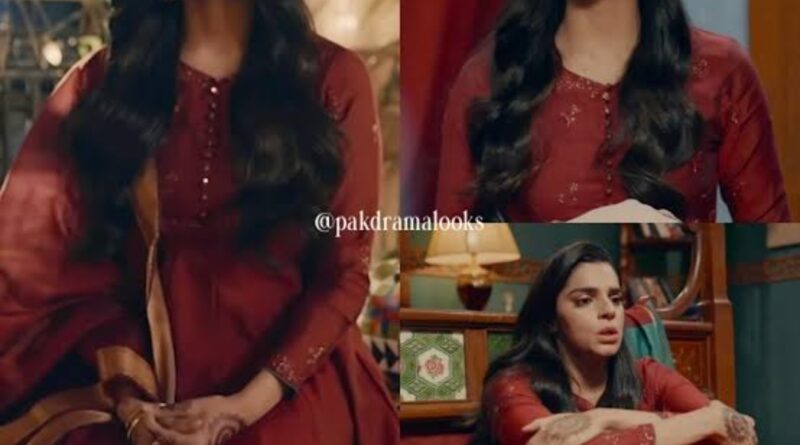
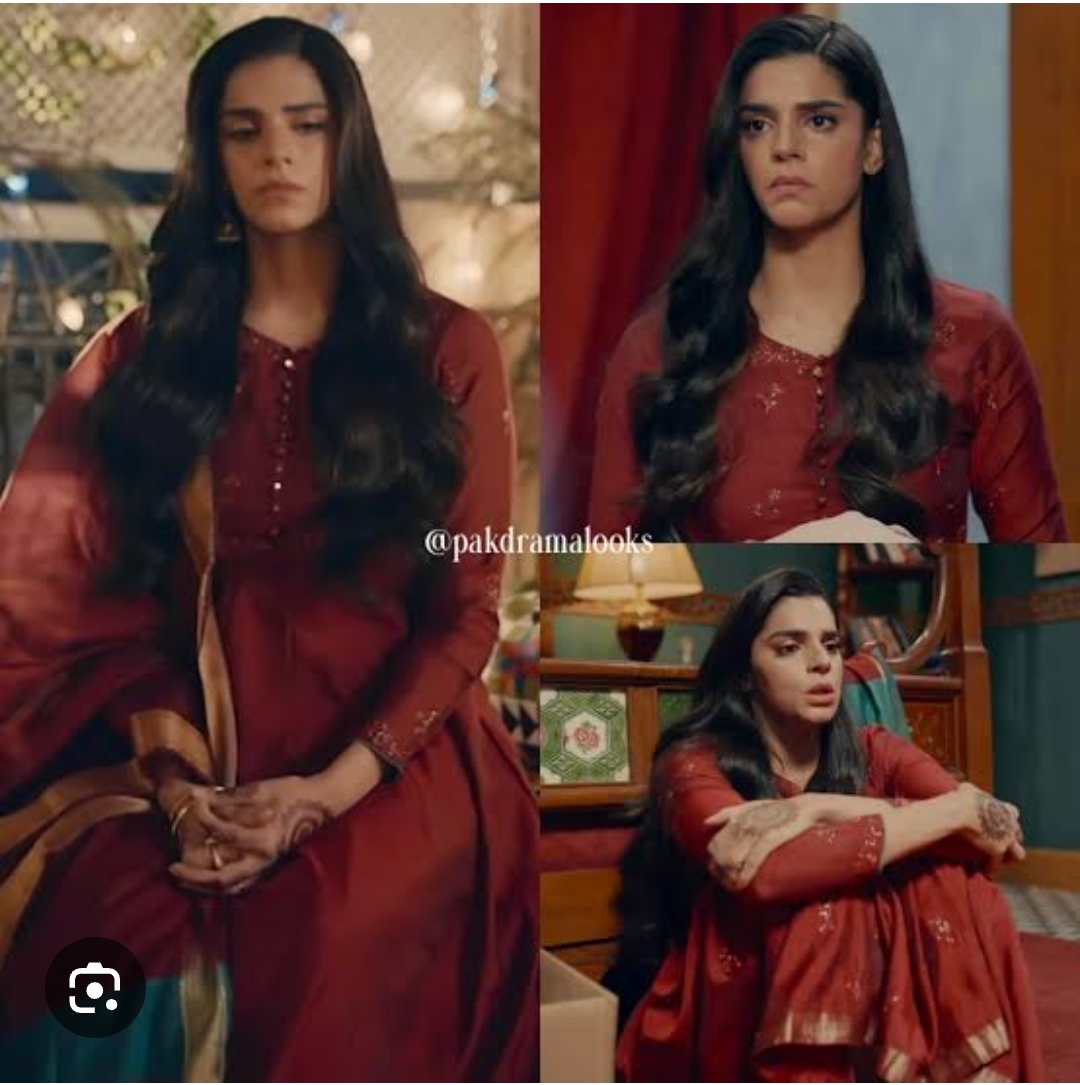
When Zeba Said Yes – Could Kafeel Have Wrapped Up The Conversation Better?
Kafeel wrapped up last night and while we applaud the progressive narrative advocating for single mothers to give a chance to marriage and happiness once more, the message could not be rounded off by leaving out significant parts of the conversation that tie in directly. Zeba and Jami’s union was a welcome and uplifting story but it needed to address the missing links without which many women today are unable to take this step – where will the children go? Will her husband accept her with her children or will she have to leave them behind? Read on as we unpack the debate.

In a country where we already struggle with the acceptance of marriage with a widow or divorcee with children — where mothers remarry and children are left to be raised by grandparents or relatives — maybe a narrative that supported the acceptance of children in a new marriage would have been a more apt and appropriate ending to Zeba’s story.
Especially keeping in mind how revolutionary Kafeel has been in promoting the idea of a son and a brother convincing a woman to consider a second marriage.
How beautiful it would have been to show that along with Zeba, her children also got to live a happy and enriched life with Jami as their father figure.
These are young girls. This is exactly the age where a mother’s presence is not optional — it is everything. And even for Subuk, his mother’s presence in his life holds great significance.
Hence, leaving the children to live by themselves felt even more questionable. They need the mentoring and presence of their mother more than ever at this stage. Subuk alone is not equipped to fulfill all these roles.
And if their mother is present in their lives, why should he have to?
It felt like such a missing link in the narrative – that Kafeel did not advocate the children should stay with Jami and Zeba as a family — normalising the acceptance of young-adult children and the acceptance of a stepfather. This could have promoted such a powerful and progressive perspective.
For those who ascribe to the perspective that grown up daughters should not be sharing the home with a stepfather, perhaps an arrangement that hinted at apartment living, side by side or an upstairs-downstairs arrangement could have worked. For all those women like Zeba, who struggle to address their inner fears about second marriages, who cannot and should not be asked to choose between their children and their new relationship, Zeba’s story could have gone one step further to show us that solutions are possible in every situation, to ensure that families are not broken when a woman chooses to say yes to herself.
Furthermore, Zeba’s children needed a father figure, a person who could present them another picture of what a healthy family life could look and feel like. Just like Subuk mentioned to his mother, that when they sat together with Jami for lunch, it was a happy, normal family they experienced, something he had never felt with his real father. These experiences are very important for young adults who have been raised in dysfunctional families where they are deprived of a loving, caring, responsible parent. Zeba’s children have repeatedly felt abandoned by their father and Jamal’s presence in their lives might have helped provide that example which they needed in order to heal, and to build happy family memories with their mother.


ni57iw
bs7l2j
qwwzeu
vd505x
ak4j8t
dmlz8m
la2ptb
p3qt3p
qo6fv3
2m9duq
nmqejz
z435y2
1yoyii
ui18fc
xaalgo
u3an0d
7z0a1f
jrba3s