7-Day High-Protein, Anti-Inflammatory, Mediterranean Diet Meal Plan: A Holistic Approach to Wellness
.png)
Introduction
The Mediterranean diet is often heralded as one of the healthiest dietary patterns for promoting longevity and reducing the risk of chronic diseases. This dietary style can significantly enhance your overall health when combined with high-protein foods and anti-inflammatory ingredients. This blog presents a 7-day meal plan designed by a dietitian focusing on high-protein, anti-inflammatory foods within the Mediterranean framework. Not only will this plan nourish your body, but it will also help support weight management, optimize energy levels, and promote overall well-being.
Understanding the Mediterranean Diet
.png)
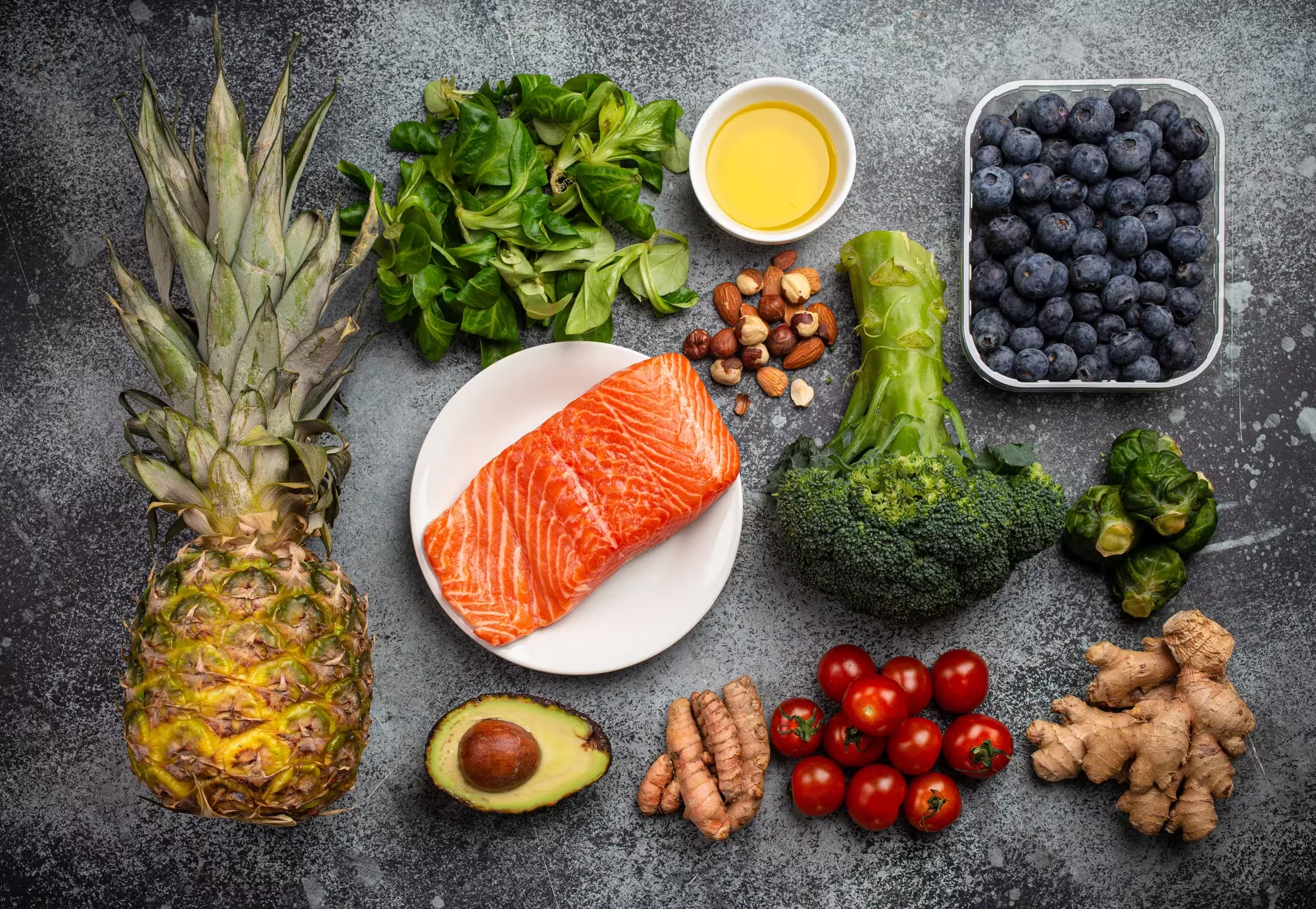
The Mediterranean diet emphasizes whole, minimally processed foods, including fruits, vegetables, whole grains, legumes, nuts, seeds, fish, and healthy fats such as olive oil. It encourages the consumption of lean proteins and limits red meat and processed foods. Research has shown that this dietary pattern can reduce inflammation, lower the risk of cardiovascular disease, and promote a healthier aging process.
The Role of High Protein and Anti-Inflammatory Foods
High-protein foods help the body repair tissues, support muscle growth, and keep you satiated, which can aid in weight management. In addition, anti-inflammatory foods, rich in antioxidants and phytochemicals, are crucial in combating oxidative stress and reducing the risk of chronic diseases. By integrating these elements into your diet, you can enhance your health and quality of life.
7-Day High-Protein, Anti-Inflammatory Mediterranean Meal Plan
.png)
Day 1
Breakfast:
Greek yogurt topped with fresh berries, walnuts, and a drizzle of honey.
Benefits: Greek yogurt is packed with protein and probiotics, while berries and walnuts provide antioxidants and healthy fats.
Lunch:
Quinoa salad with chickpeas, cherry tomatoes, cucumber, parsley, and a lemon-olive oil dressing.
Benefits: Quinoa is a complete protein, rich in fiber, and combined with chickpeas, it enhances protein content and anti-inflammatory properties.
Snack:
Hummus with carrot and celery sticks.
Benefits: Hummus is a high-protein snack that also contains healthy fats from tahini.
Dinner:
Baked salmon with a side of sautéed spinach and garlic, and a small boiled sweet potato.
Benefits: Salmon is rich in omega-3 fatty acids, known for their anti-inflammatory effects.
Day 2
Breakfast:
Overnight oats made with chia seeds, almond milk, and apple slices.
Benefits: Oats and chia seeds provide protein and fiber, promoting satiety.
Lunch:
Lentil soup with carrots, celery, and spices, served with whole-grain bread.
Benefits: Lentils are an excellent plant-based protein source and have anti-inflammatory properties.
Snack:
Sliced cucumber with tzatziki sauce.
Benefits: Tzatziki provides protein through Greek yogurt and additional anti-inflammatory benefits from cucumber.
Dinner:
Grilled chicken breast served with roasted vegetables (bell peppers, zucchini, and eggplant) drizzled with balsamic glaze.
Benefits: Chicken is a lean protein that fuels muscle maintenance while vegetables provide essential nutrients.
Day 3
Breakfast:
Scrambled eggs with spinach and tomatoes, served with whole-grain toast.
Benefits: Eggs are a complete protein source and spinach is high in antioxidants.
Lunch:
Mediterranean grain bowl with farro, roasted chickpeas, arugula, and a tahini lemon dressing.
Benefits: This bowl is not only protein-rich but also filling due to fiber content from farro and chickpeas.
Snack:
Mixed nuts (almonds, walnuts, and pistachios).
Benefits: Nuts provide healthy fats, protein, and are known to have anti-inflammatory properties.
Dinner:
Stuffed bell peppers filled with ground turkey, brown rice, black beans, and spices.
Benefits: Ground turkey is a lean protein source, while beans add fiber and additional protein.
Day 4
Breakfast:
Smoothie with spinach, banana, protein powder, and almond milk.
Benefits: This breakfast is quick, energizing, and packed with protein and nutrients.
Lunch:
Chickpea and vegetable stir-fry with brown rice.
Benefits: Chickpeas provide protein and fiber, while colored vegetables contribute antioxidants.
Snack:
Apple slices with almond butter.
Benefits: Almond butter adds healthy fats and protein, while apples are a low-calorie, fiber-rich fruit.
Dinner:
Baked cod with a side of roasted Brussels sprouts and quinoa.
Benefits: Cod is a lean source of protein, and Brussels sprouts contain anti-inflammatory compounds.
Day 5
Breakfast:
Cottage cheese with pineapple chunks and a sprinkle of cinnamon.
Benefits: Cottage cheese is a high-protein dairy option, while pineapple contains bromelain, known for its anti-inflammatory properties.
Lunch:
Greek salad with grilled shrimp, feta, olives, and a lemon vinaigrette.
Benefits: Shrimp provides protein, while the salad is loaded with healthy fats and antioxidants.
Snack:
Roasted chickpeas seasoned with paprika and garlic.
Benefits: A crunchy, high-protein snack that is also high in fiber for digestive health.
Dinner:
Zucchini noodles topped with homemade marinara sauce and turkey meatballs.
Benefits: Zucchini is a low-calorie veggie, and turkey is a lean protein source, keeping the meal light yet satisfying.
Day 6
Breakfast:
Quinoa porridge with almond milk, topped with berries and seeds.
Benefits: Quinoa is a powerful protein source that boosts your energy for the day.
Lunch:
Roasted vegetable and beet salad with goat cheese and walnuts.
Benefits: Beets have anti-inflammatory properties, and walnuts provide healthy fats.
Snack:
Celery sticks with peanut butter.
Benefits: A crunchy yet satisfying snack rich in protein and healthy fats.
Dinner:
Grilled lamb chops with rosemary, served with a side of tabbouleh and roasted asparagus.
Benefits: Lamb is a protein-dense meat, and rosemary is known for its anti-inflammatory effects.
Day 7
Breakfast:
Frittata with mushrooms, asparagus, and feta cheese.
Benefits: Eggs and feta provide protein, while asparagus adds vitamins and minerals.
Lunch:
Baked falafel in a whole-grain wrap with lettuce, tomatoes, and tahini dressing.
Benefits: Falafel is made from chickpeas, offering plant-based protein with antioxidants.
Snack:
Dark chocolate-covered almonds.
Benefits: Dark chocolate has antioxidant properties, and almonds boost this high-protein treat.
Dinner:
Mediterranean seafood stew with mussels, shrimp, tomatoes, and herbs, served with whole-grain bread.
Benefits: Seafood is an excellent source of protein, while the stew is rich in antioxidants and omega-3 fatty acids.
Conclusion
This 7-day high-protein, anti-inflammatory Mediterranean diet meal plan combines nutrient-dense foods that promote health and well-being. By integrating these meals into your daily routine, you can nourish your body, support muscle maintenance, and combat inflammation. Embrace this holistic approach to eating, and watch as your health flourishes.