Mawra Hocane Advocates for Emotional Independence in Marriage: A New Perspective on Relationships
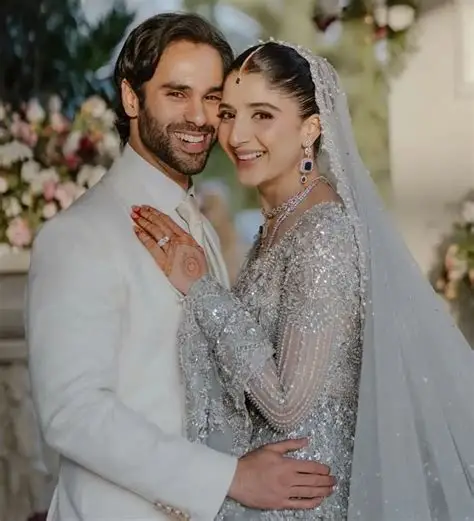
In a thought-provoking discussion, renowned actress Mawra Hocane has called for a transformative approach to marital relationships, emphasizing the necessity of emotional independence. Her insights reflect a growing trend that challenges traditional notions of dependency in marriage, urging couples to cultivate individual identities while nurturing their partnerships. This call for emotional autonomy not only resonates with many but also opens up a broader conversation about the evolving dynamics of modern relationships.
Mawra’s advocacy comes at a time when societal expectations often reinforce the idea of emotional reliance within marriages. Traditionally, a strong bond between spouses has been seen as synonymous with emotional dependence. However, the actress argues that fostering independence can lead to healthier, more resilient relationships. “Marriage should be a partnership, not an ownership. It’s about supporting each other’s dreams while standing tall in our own,” she stated in a recent interview. Her perspective challenges the conventional belief that couples must always lean on one another, instead championing the idea that individual happiness contributes significantly to marital satisfaction.
Experts in psychology and relationship counseling are beginning to echo Hocane’s sentiments. Dr. Ayesha Khan, a clinical psychologist specializing in marital therapy, remarked, “Emotional independence allows individuals to maintain their sense of self within the relationship. This balance can prevent feelings of resentment and suffocation that sometimes arise in partnerships.” Dr. Khan noted that couples who encourage each other’s personal growth often experience deeper intimacy, as both partners feel valued and appreciated for their unique contributions to the relationship.
The dialogue surrounding emotional independence is particularly relevant in Pakistan, where cultural norms often dictate a more traditional framework of marriage. Many still view marriage as a lifelong commitment where emotional support is expected to be heavily reciprocated. However, with the influence of social media and changing societal values, younger generations are advocating for a shift in these norms. Mawra’s prominent platform as a public figure gives her the power to influence these perceptions, making her voice crucial in the ongoing discussion.
Critics of emotional independence argue that it can lead to detachment and a lack of commitment. “While it’s important to pursue individual passions, we must not forget the essence of partnership,” cautioned relationship coach Imran Sheikh. “Too much independence could undermine the emotional bond that is essential for a successful marriage.” This perspective highlights the delicate balance couples must strike between individuality and togetherness, underscoring that emotional independence does not equate to isolation.
In her outreach, Mawra encourages proactive discussions about emotional needs among couples. She believes that open communication is key to understanding each partner’s expectations, helping to foster a supportive environment. “It’s not just about being independent; it’s about being aware of what you need and articulating that to your partner,” she added. This approach reinforces the idea that emotional maturity and independence can coexist, providing a foundation for stronger, more equitable partnerships.
As Mawra Hocane continues to advocate for emotional independence in marriage, her message is reverberating throughout the public sphere, encouraging individuals to rethink their approach to love and relationships. The conversation is far from over, and as more voices join this movement, society may witness a profound shift in the way marriages are perceived and practiced.
In conclusion, the idea of emotional independence within marriage, as championed by Mawra Hocane, represents a significant evolution in relationship dynamics. By promoting the notion that spouses can thrive as individuals while nurturing their bond, a healthier model of partnership may emerge. As society grapples with these changes, the challenge will be to maintain the delicate balance of independence and intimacy, ensuring that love flourishes in its many forms.